

Project Logistics For UK Businesses
Project Logistics For UK Businesses
Specialist project logistics for heavy, bulky and high-value cargo, including warehousing, handling, transport, site delivery and final positioning.
Some goods need far more planning to move than others.
A big piece of machinery might weigh several tonnes; specialist equipment could have strict handling needs, an oversized item may reach its destination only for the team to discover that getting it from the vehicle to its final position is the hardest part of the journey.
These are the types of jobs where experience counts.
At SFI, we've spent more than 30 years moving heavy, bulky, valuable and difficult-to-handle goods for businesses across the UK.
Our project logistics services bring together warehousing and storage, specialist handling, transport, heavy and bulky logistics, white glove delivery and final positioning.
Whether we're receiving equipment that has just arrived in the UK, holding cargo until a site is ready or planning the final move of a difficult load, our team looks at the whole job before anything starts moving.


What does project logistics involve?
Project logistics is the planning and coordination involved in moving complicated, oversized, heavy or high-value cargo for a specific project.
These aren't always the types of goods you can book onto standard transport and forget about until they arrive.
Their weight and dimensions may affect how they're transported. Specialist equipment may need to be handled in a specific way. A site could have limited access or a narrow delivery window, while several loads may need to arrive from different places in a set order so engineers and contractors can carry on with their work.
Project logistics can involve:
- Project cargo planning
- Risk assessment
- Heavy and bulky transport
- Warehousing and storage
- Vehicle planning
- Delivery scheduling
- Site coordination
- Final-mile delivery
- White glove handling
- Final positioning
- Installation
On major international projects, the wider project logistics process can also involve freight forwarding, customs clearance, chartering and heavy-lift engineering.
At SFI, we focus on the specialist handling, storage, transport and final-site delivery of project cargo.
That might mean receiving equipment after it reaches the UK, holding it until a construction or installation programme catches up and then managing the next stage of its journey to site.
How does project logistics work with SFI?
We assess the cargo
We start with the item itself. We'll need to understand its dimensions, weight, value and packaging, along with any information on how it can be moved.
We check the route and site
We look at where the cargo needs to go and what we're likely to encounter when we get there. Vehicle access, loading areas, entrances, lifts and the route to the final position can all affect how a movement is planned.
We store it until the site is ready
If the equipment arrives before the site can take it, it can be held in our 45,000 sq ft warehouse until the project is ready.
We plan the move
Once we understand the cargo and destination, we can plan the vehicle, handling, people and timings needed for the move.
We plan the delivery
Projects involving several loads may need equipment delivered in a set order. We can coordinate deliveries around the wider programme so goods reach the site when the teams there are ready for them.
We deliver and position it
Our teams manage the final movement onto site and, where needed, through the building to the intended position. Depending on the equipment, this can include specialist or white-glove handling.

Why does project cargo need specialist logistics?
We've moved enough complex cargo over the past 30 years to know that weight alone doesn't tell you how difficult a job is going to be.
A long item can be harder to manoeuvre than a heavier compact one. A high-value piece of equipment might need extra care even though two people can lift it. Other goods need to stay upright or have areas that cannot take weight during handling.
You then have to consider where it's going.
The final destination may have restricted vehicle access, limited unloading space, narrow doors, stairs or lifts. There may be contractors working around the delivery area or an engineer waiting for the equipment at a set time.
Before arranging a project cargo movement, we can consider:
- Dimensions and weight
- Shape
- Packaging
- Handling
- Vehicle requirements
- Loading and offloading
- Site access
- Doorways, lifts and internal routes
- Storage
- Delivery windows
- Final positioning
- Other teams working on site
Working through these details before delivery day gives everyone a much better idea of what the job will involve.
What types of project cargo can SFI handle?
Heavy and bulky equipment
Machinery and industrial equipment
Technical and specialist equipment
Furniture, fixtures and equipment
High-value goods
Oversized and awkward cargo
Why choose SFI for project logistics?
When something is expensive, oversized, awkward to handle or needed for the next stage of a project, you don't want the planning to start when the vehicle arrives.
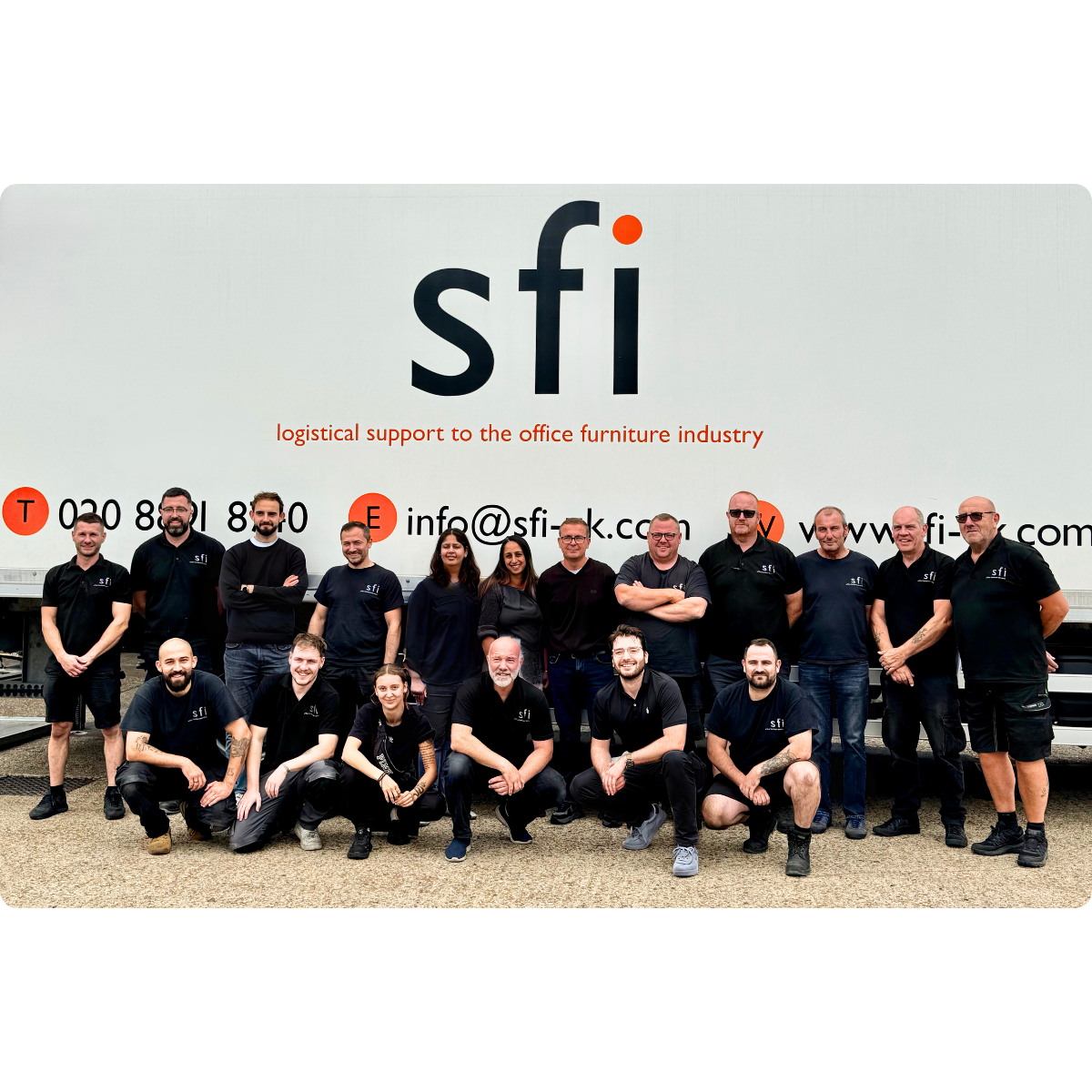
We've been working in specialist commercial logistics since 1992 and have handled a huge range of furniture, equipment and unusual goods during that time.
Businesses choose SFI because we offer:
- More than 30 years of logistics experience
- 45,000 sq ft of warehouse capacity
- Specialist project cargo handling
- Heavy and bulky goods logistics
- Secure warehousing
- Inventory management
- Route planning
- Sequenced deliveries
- Nationwide UK transport
- White glove delivery and installation
- Experienced handling teams
- Flexible support around project dates
- One team coordinating the UK movement
We don't expect you to know what vehicle you'll need or exactly how the item is going to get through the building.
That's our side of the job.
Tell us what you're moving, give us the dimensions and weight if you have them, and explain where it needs to end up. From there, we can start working out what the movement involves.
FAQs
General cargo can usually be transported using standard freight networks with standard vehicles.
Project cargo tends to need its own plan because it involves heavy and oversized cargo.
Machinery, industrial equipment, technology, electrical equipment, FF&E and other big, heavy, valuable or awkward goods can all need project logistics.
Yes, SFI provides heavy and bulky logistics for commercial goods needing specialist handling and transport. We'll look at the weight and dimensions of the cargo before planning the movement.
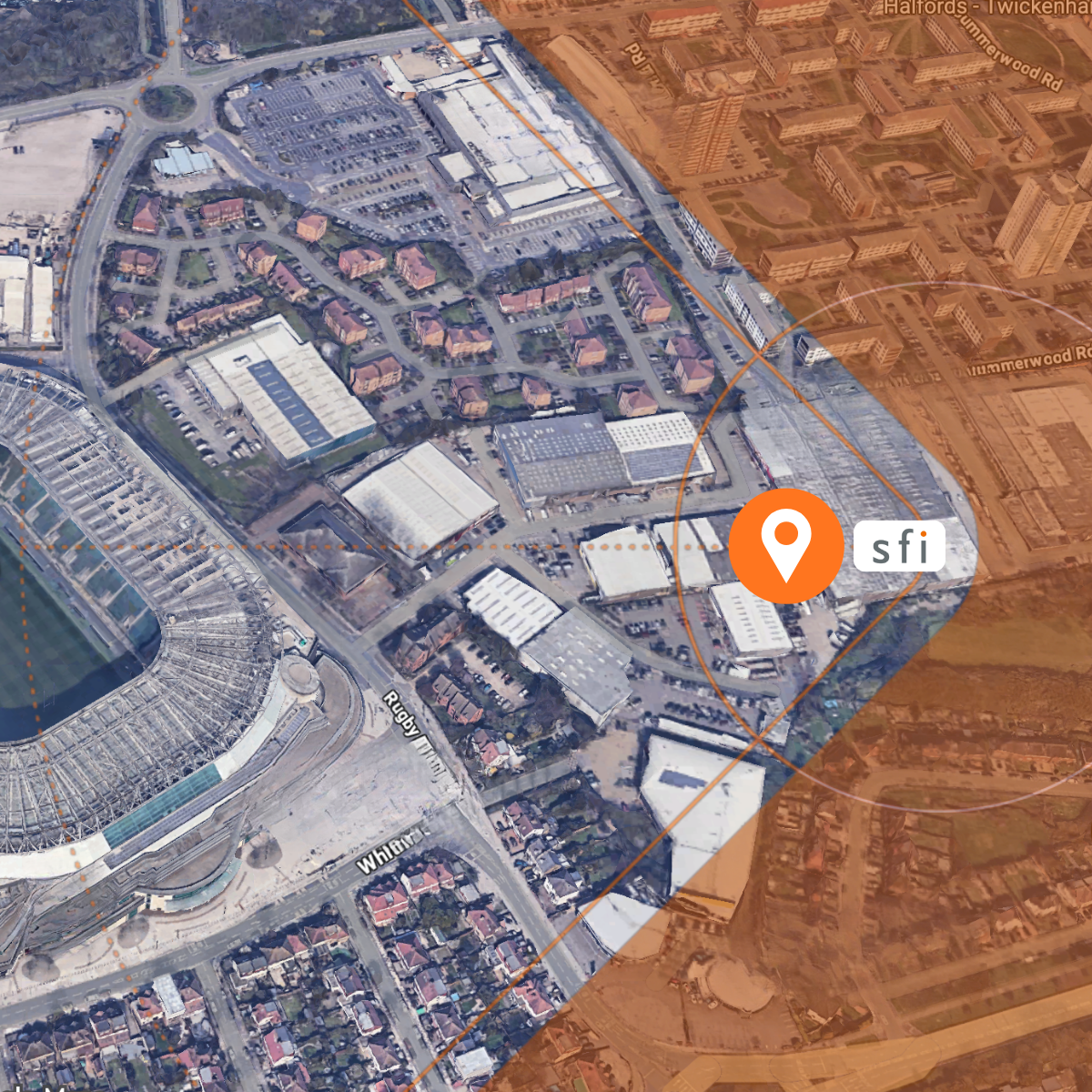
Yes, we have 45,000 sq ft of warehouse space where project cargo can be received and held until the final site is ready.
We'll usually need the dimensions, weight and description of the cargo, along with the collection and delivery locations, dates and any known handling or site restrictions. Photos, drawings and access information can also be useful for more complicated movements.
Project logistics is quoted around the individual job. Cargo weight and dimensions, distance, warehousing, handling, site access, delivery timing and final positioning can all affect the cost.
Yes, it can. Warehousing is often needed when equipment arrives before the project site is ready, when several loads need pulling together or when cargo needs to be released according to different stages of a project.
Talk to us about your project cargo
If you're trying to move something large, heavy, valuable or awkward, tell us about the job. We'll look at what's involved and work out the logistics needed to get it there.